Articles on Issue Theme
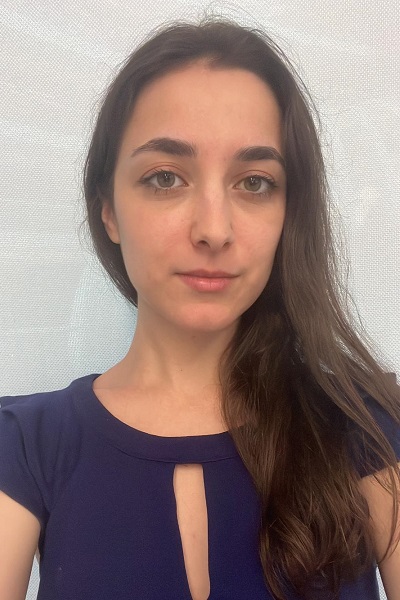
Ioana Anastasia MUŞAT
Academia de Studii Economice din Bucureşti
This paper investigates the emergence and propagation of speculative bubbles within the European technology sector using the Generalized Sup Augmented Dickey-Fuller (GSADF) econometric test. The analysis relies on a sample of companies included in the STOXX Europe 600 index over the period 2010-2025. The results provide evidence of both firm-specific speculative bubbles and episodes of contagion, during which multiple companies simultaneously experienced bubble-like dynamics. Positive contagion effects were more prevalent during the periods 2016-2018 and 2019-2021, coinciding with accommodative monetary policies and heightened investor optimism, particularly during the COVID-19 pandemic. Conversely, negative contagion was most pronounced in 2020 and throughout 2021-2022, reflecting tightening monetary conditions, rising interest rates, and increased economic and geopolitical uncertainty. By offering an empirical assessment of speculative bubble dynamics in a sector characterized by rapid innovation and elevated volatility, the study contributes to a deeper understanding of systemic risk in technology-driven markets. The findings are particularly relevant in light of the growing prominence of artificial intelligence–based firms and their implications for financial stability.
ŒCONOMICA no. 3/2025
Keywords: European technology sector, speculative bubbles, financial contagion, systemic risk, GSADF test, boom–bust dynamics
JEL: C22, G10, G12, G14, G15
Detecting Speculative Bubbles and Contagion Dynamics in the European Technology Sector [Detectarea bulelor speculative şi analiza contagiunii în sectorul tehnologic european]
Select Issue:
Archive
Octavian-Dragomir JORA
Academia de Studii Economice din Bucureşti

Iulian-Gabriel IONESCU
Academia de Studii Economice din Bucureşti

Mariam BALINT
Academia de Studii Economice din Bucureşti

Gabriel-Robert SAIU
Academia de Studii Economice din Bucureşti

Ioana Anastasia MUŞAT
Academia de Studii Economice din Bucureşti
Laura PREDA
Academia de Studii Economice din Bucureşti

Maria Cristina DRĂGUŢESCU
Academia de Studii Economice din Bucureşti
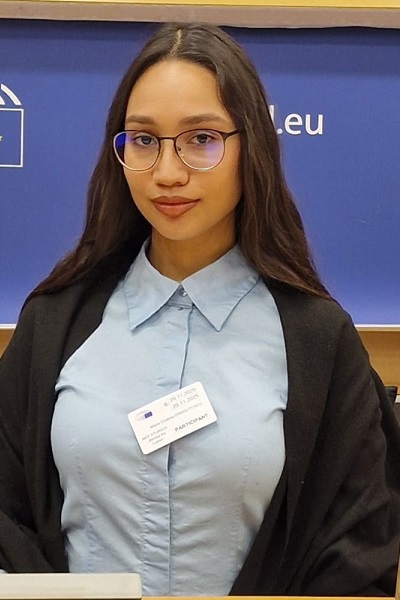
Esra CADÎR
Academia de Studii Economice din Bucureşti
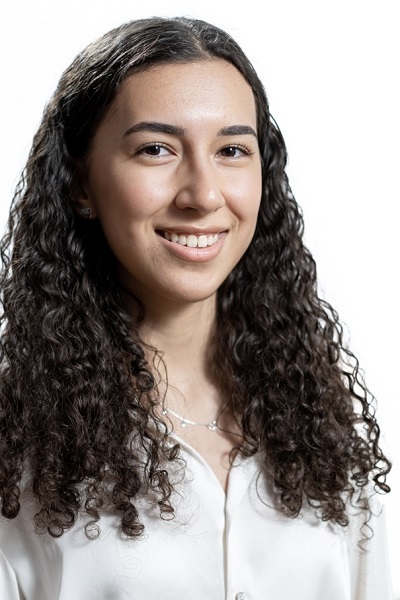
Rebecca Elena APOSTOLESCU
Academia de Studii Economice din Bucureşti

Iulian Cezare DEDIU
Academia de Studii Economice din Bucureşti


Authors